



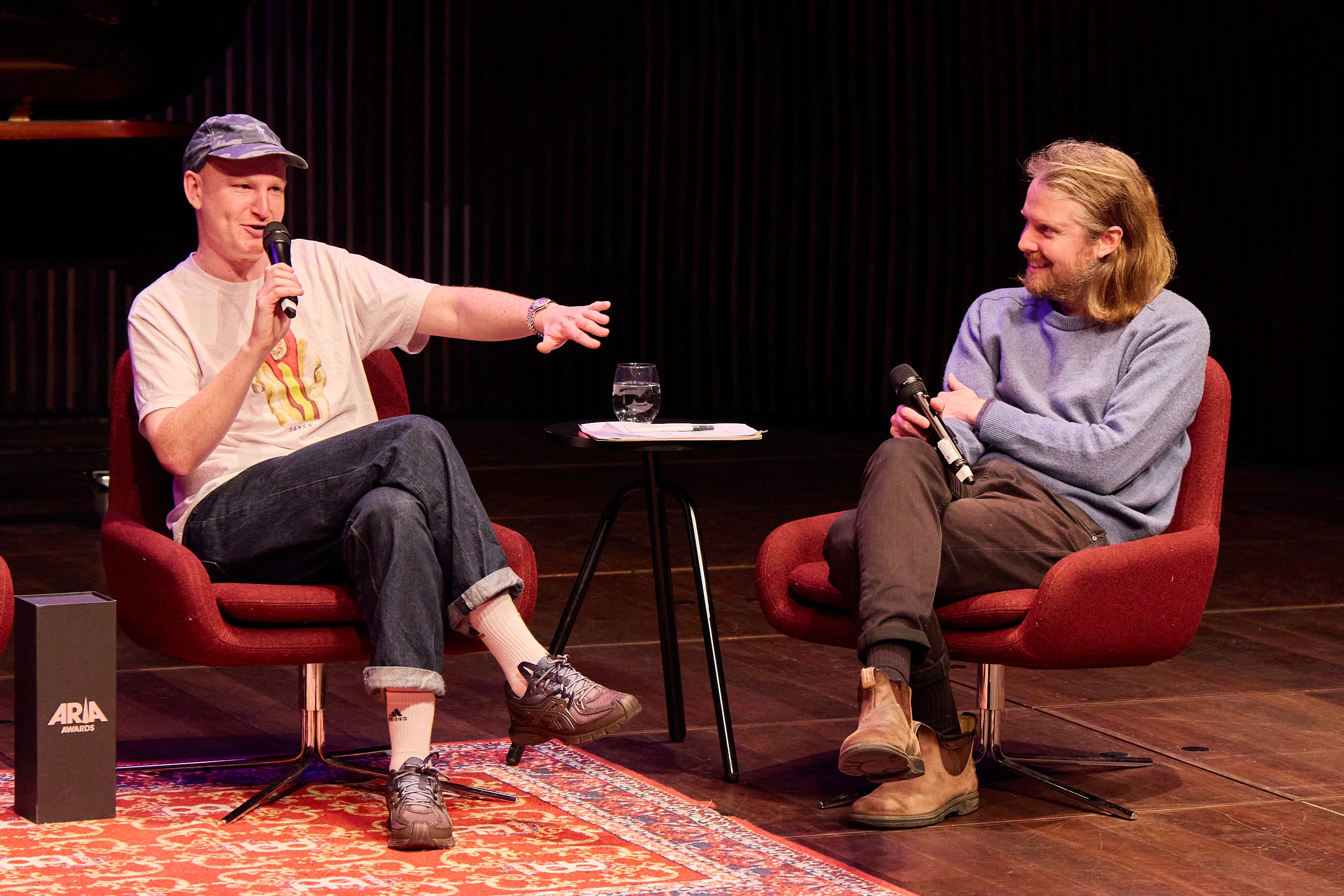
Music Tasmania’s “Plug-In” conference is designed to help musicians navigate their careers, learn new information on how to develop practical skills and understand the wider ecosystem that supports Tasmania’s music industry.
Across two days, Plug-In brought together young musicians, artists, educators, engineers, promoters, venue operators, government representatives and the people working behind the scenes. The discussions covered career pathways, DIY scene, education, technology, live music, community and the future of Tasmania’s creative industries.
Despite the variety of perspectives, a few themes kept resurfacing:
there is no single pathway into music
relationships matter
access matters
community is essential; and
sometimes the most important thing you can do is simply put yourself out there.
The full programme can be found here
Day One – Youth
Day One was specifically designed for 15 to 25 year-olds, offering a practical introduction to the many different pathways available within the music industry.
Career Pathways
The day began with a panel featuring three women who have taken very different routes through the music industry: Eliza Bird, an engineer at Frying Pan Studio that runs in-house at MONA and a singer-songwriter; Kimberly Galceran - music director for Dark Mofo as well as associate creative director at DarkLab, booking bands for Dark Mofo and overseeing bookings for The Odeon Theatre and Altar Bar; and Bec Tilley - a professional vocal coach, singer-songwriter who is also currently working on a project exploring grief.
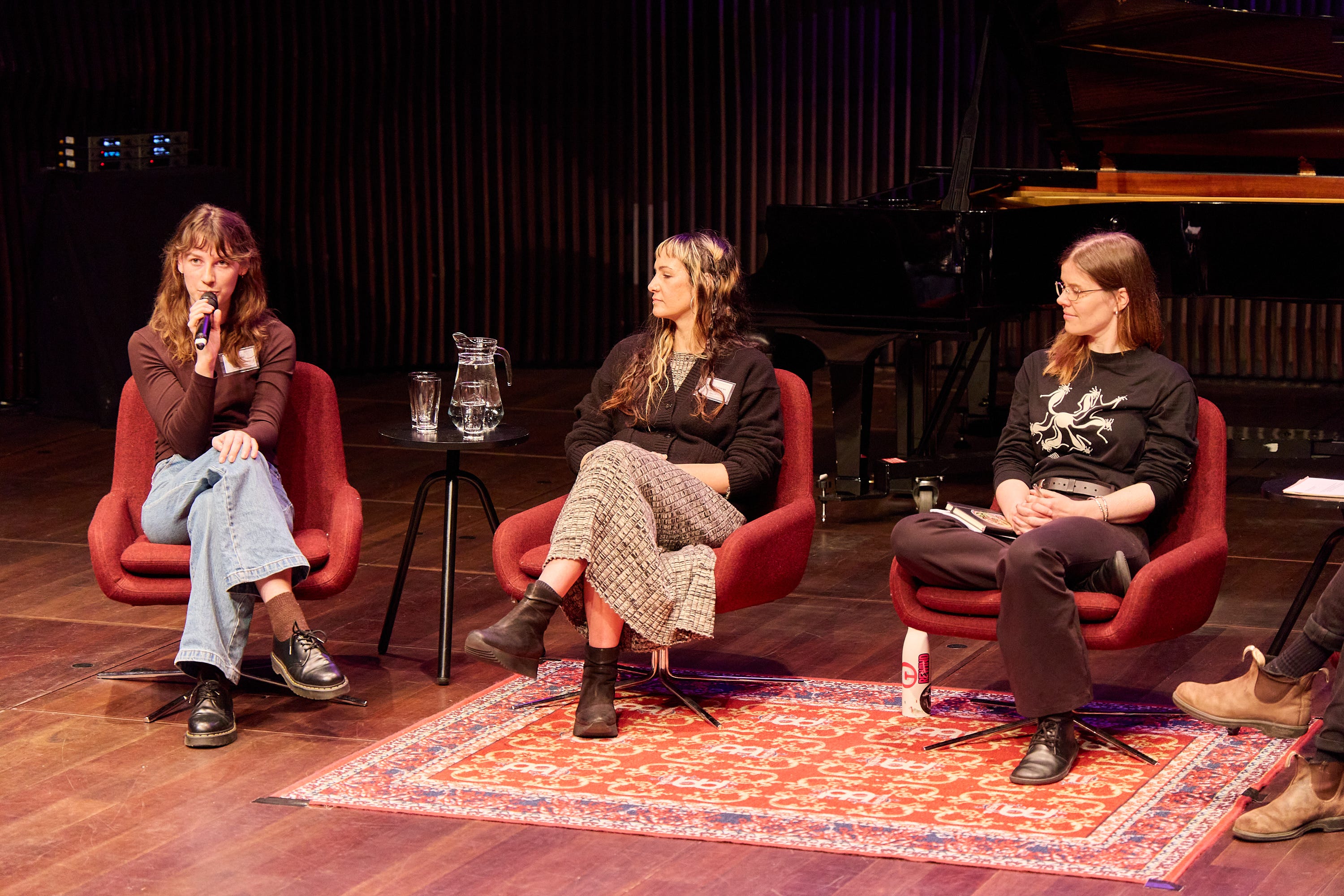
Their career paths ranged from formal training to unexpected side quests, office work and stumbling across passions they hadn’t initially known existed.
Eliza’s own story demonstrated the importance of simply being known and being present in the community. She got her job through word of mouth, reinforcing a message that appeared repeatedly throughout the conference: relationships can open doors that formal applications cannot.
The panel also tackled a question that many creative people quietly wrestle with: “Am I a real musician or artist if I go through stages of not making any art?” — Bec Tilley
The answer was emphatically, no less, YES. Creative careers are not linear, and periods of not producing work don’t invalidate someone’s identity as an artist. Bec also offered a broader definition of success. Success doesn’t necessarily mean being in a great financial situation. It can mean creating meaningful work, contributing to a community or simply finding a way to continue making art.
Another useful reframing was the question we ask when entering an industry. Instead of asking, “What can I get?”, ask, “What can I offer? How can I be of service to other people?”
Being open to all opportunities, rather than constantly looking for the perfect job, can create an entirely different kind of career. There is also a growing shortage of skilled workers across the music industry. As demand increases, particularly in live music, those skills are becoming increasingly valuable. There was a strong sense that this demand will only grow as people look towards live music as a way of creating genuine human connection in an online and ai-driven environment.
Bec put the importance of music particularly beautifully: “The purpose of art is to make people feel feelings, and that’s a fundamental human right and what society needs. And music does that.”
Kimberly encouraged young people not to be afraid of taking the long way around:
“Don’t be afraid to volunteer and don’t be afraid to make a detour and try other pathways. That’s how you learn new skills.”
“There are no rules for a music career. Put yourself out there. Try things. Volunteer. Take the detour. Sometimes the detour is the pathway.” — Kimberly added.
DIY Music Scenes and Collaboration
The second panel was particularly close to the heart of Undercurrent. Not simply because the panelists are emerging forces in Tasmania’s hip-hop scene, but because of their commitment to creating opportunities for other people.
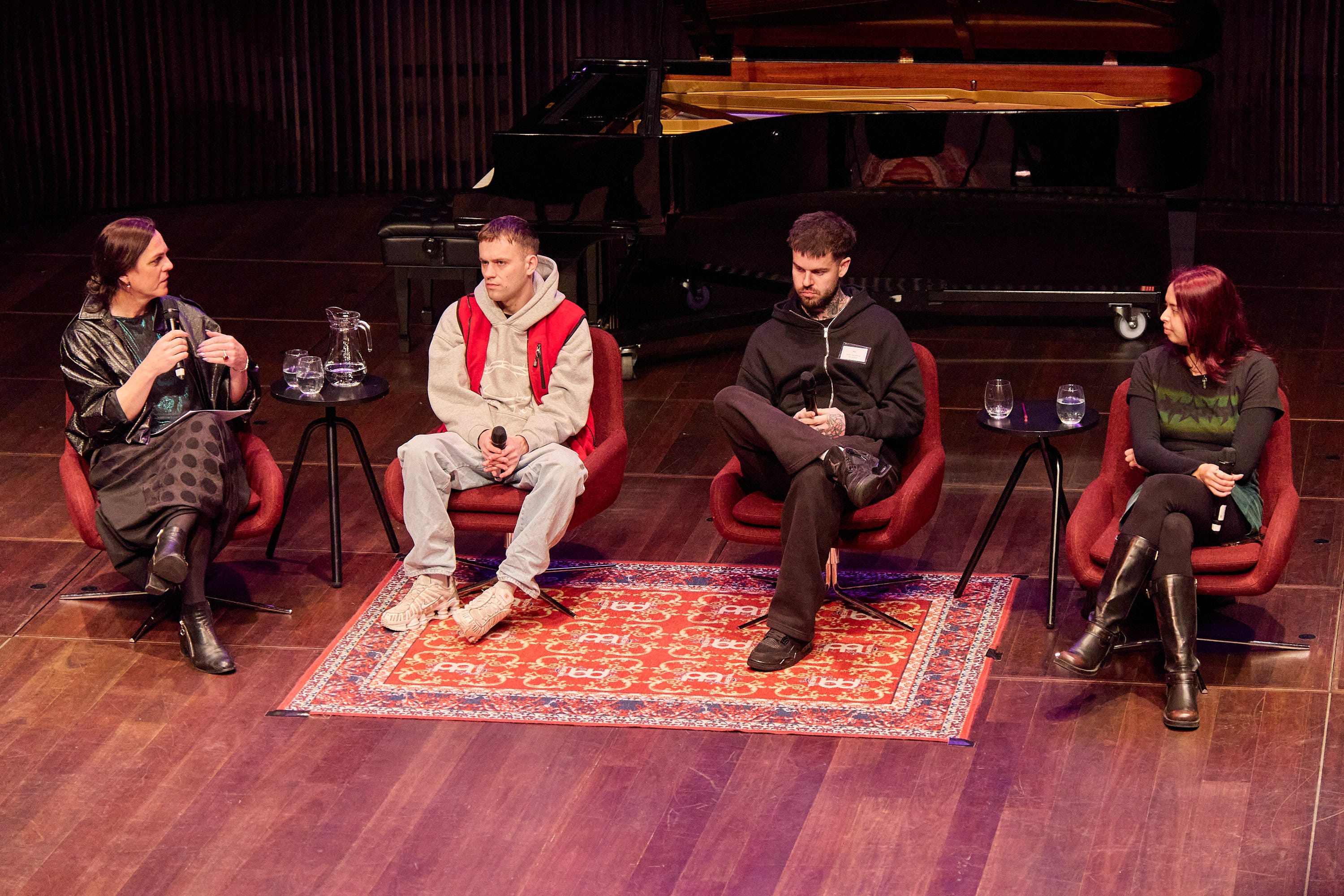
Grace Chia, Kiz and Hermit have each carved their own paths while maintaining a strong focus on community.
Although it was disappointing that St Bedlam couldn’t attend, Hermit proved a fitting replacement. The creative side of Seven-Three, Hermit encompasses clothing, podcasts and monthly hip-hop open mic nights. His work also focuses on people who have become disadvantaged through contact with the justice system and those who have fallen through the cracks of the education system, not just in Tasmania, but also on the mainland.
Grace Chia is a multidisciplinary artist working across hip-hop, poetry, graphic design and fashion. She also works closely with community groups and teaches disadvantaged young people.
Kiz, a.k.a. Kieren Lonergan, began the day with a Welcome to Country, speaking about our deep connection to Trowunna/Lutruwita and the river with many names. Along with his considerable skills as a hip-hop artist, Kiz is also the administrative force behind Seven-Three. He works extensively with community, supporting people who may not yet be able to see a way out of their circumstances.
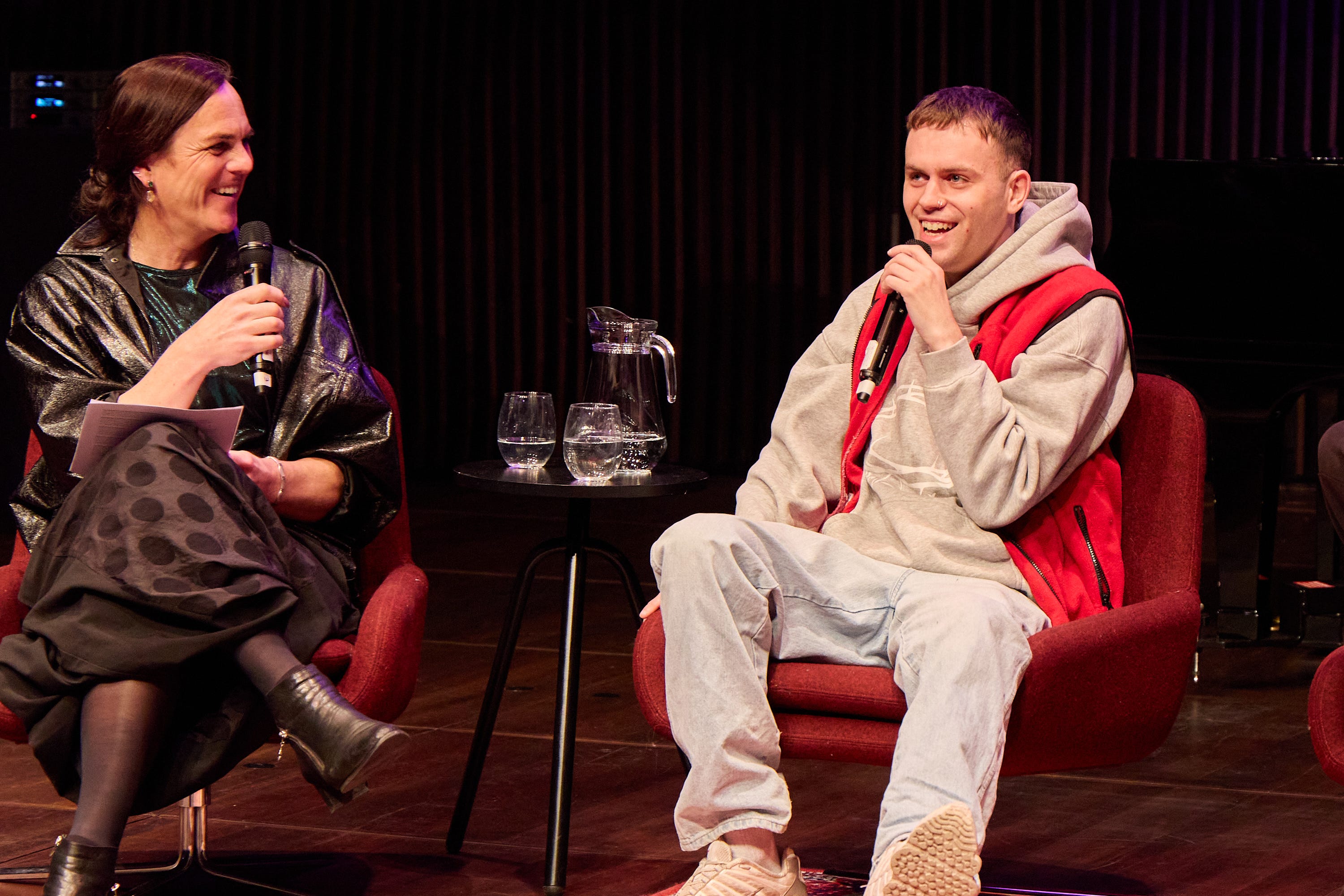
What connects all three is the belief that strengthening the community strengthens the music. They have helped create spaces where disadvantaged youths and the minorities can find a voice and know they are supported. That voice creates confidence. Confidence creates collaboration. Collaboration creates more opportunities for these stories to be heard.
Their message was simple: “be authentic, stay true to yourself and understand that helping other people can ultimately strengthen your own creativity.”
Their dream is one we share at Undercurrent: to see Tasmania recognised as a powerful source of music and culture.
Guest Speaker Gus Romer
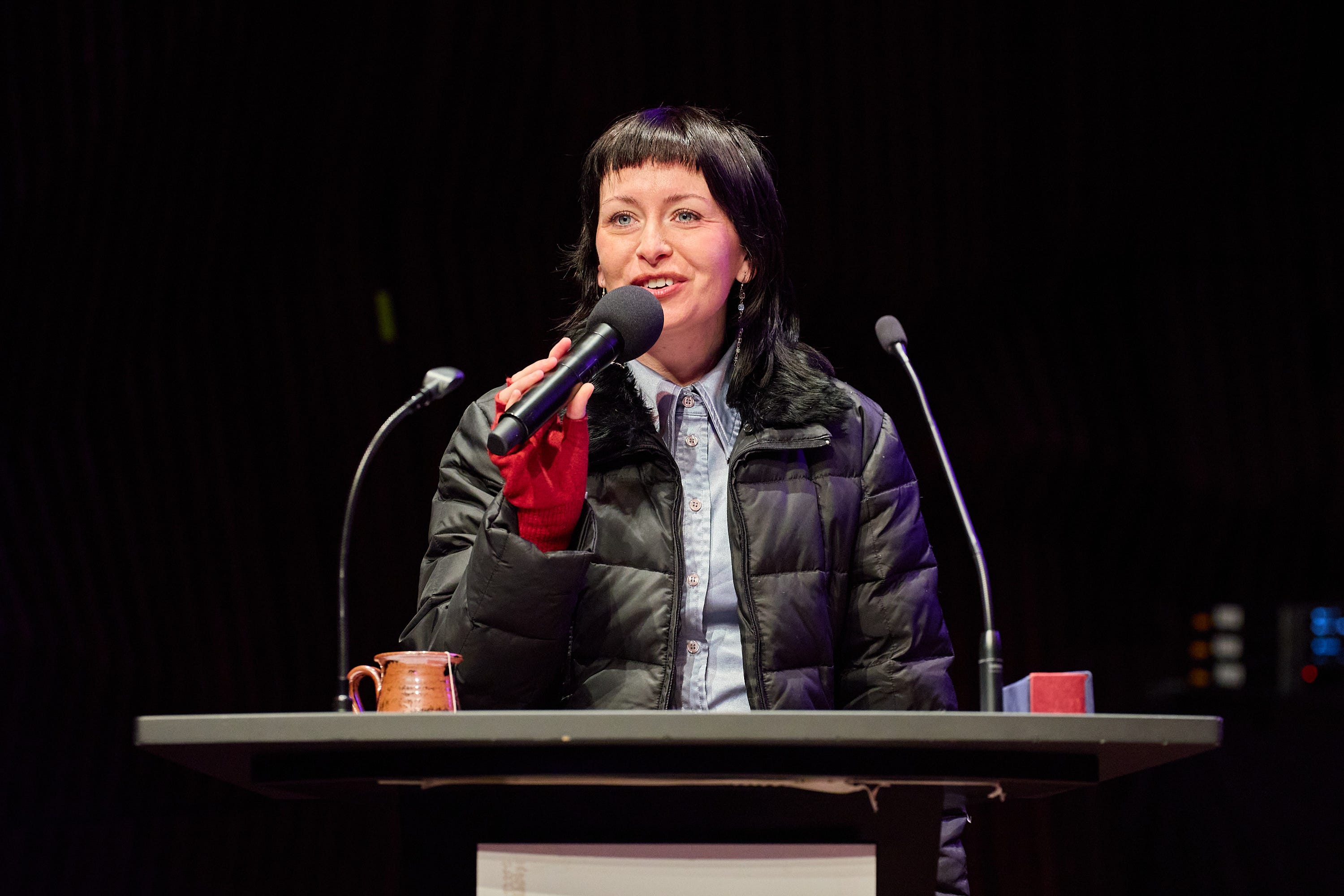
Gus Romer, bassist for Amyl & The Sniffers, took the audience through his journey from picking up a cello at primary school to eventually playing with one of Australia’s most internationally recognised punk bands. It was refreshing to hear an ARIA Award-winning musician speak so openly about humble beginnings and the importance of opportunities such as the Rock Music course at Taroona High.
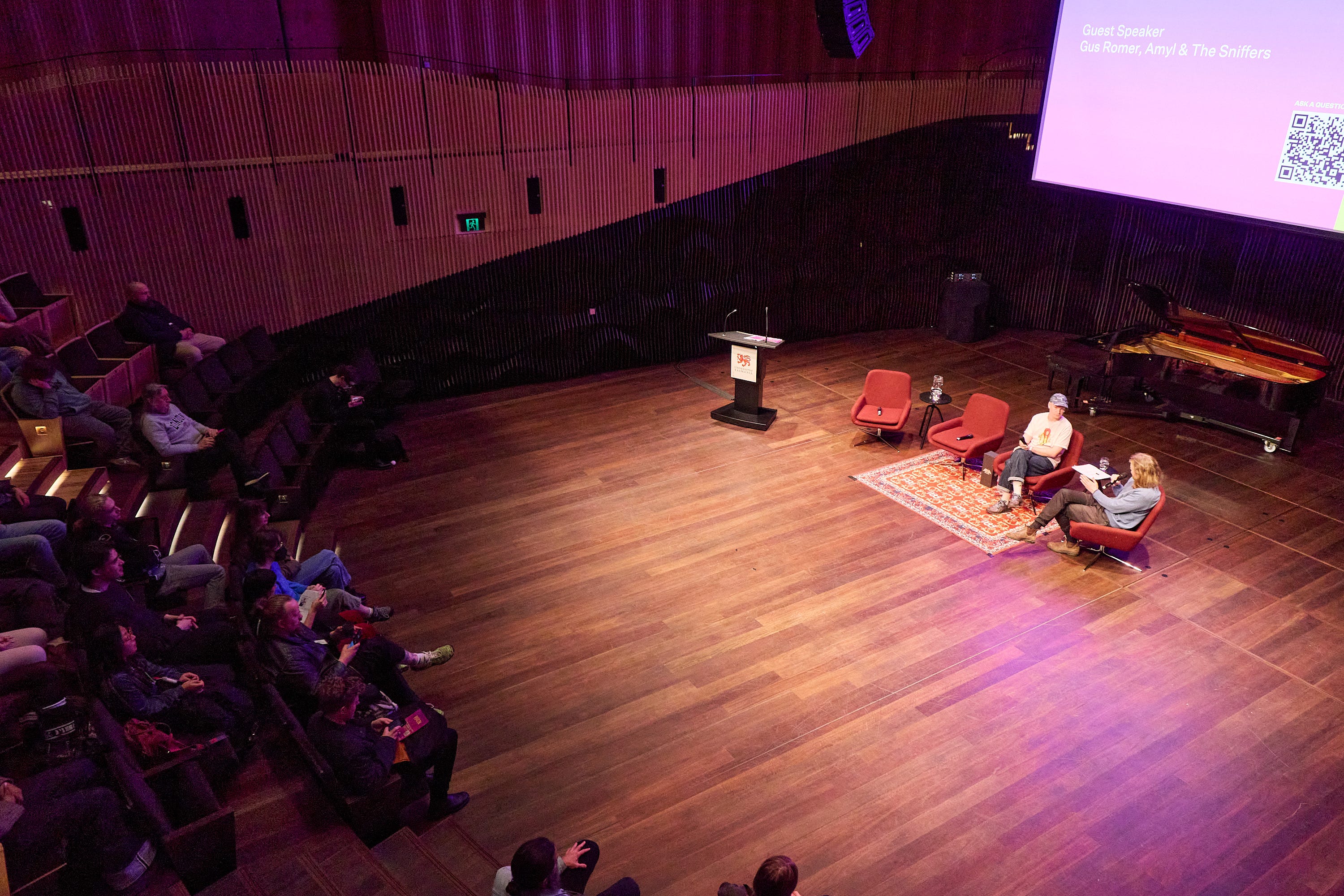
The Q&A was particularly revealing.
Every stage of a band’s career offers a different experience, from intimate rooms to stadiums.
The band itself is a family, complete with the same complicated dynamics found in any family.
Disagreements happen, but strong relationships provide the foundation for resolving them.
His advice for anyone looking to form or join a band was particularly memorable: “prioritise personality and relationships over musicianship. Technical ability matters, but the bonds between people will carry a group through the difficult periods.”
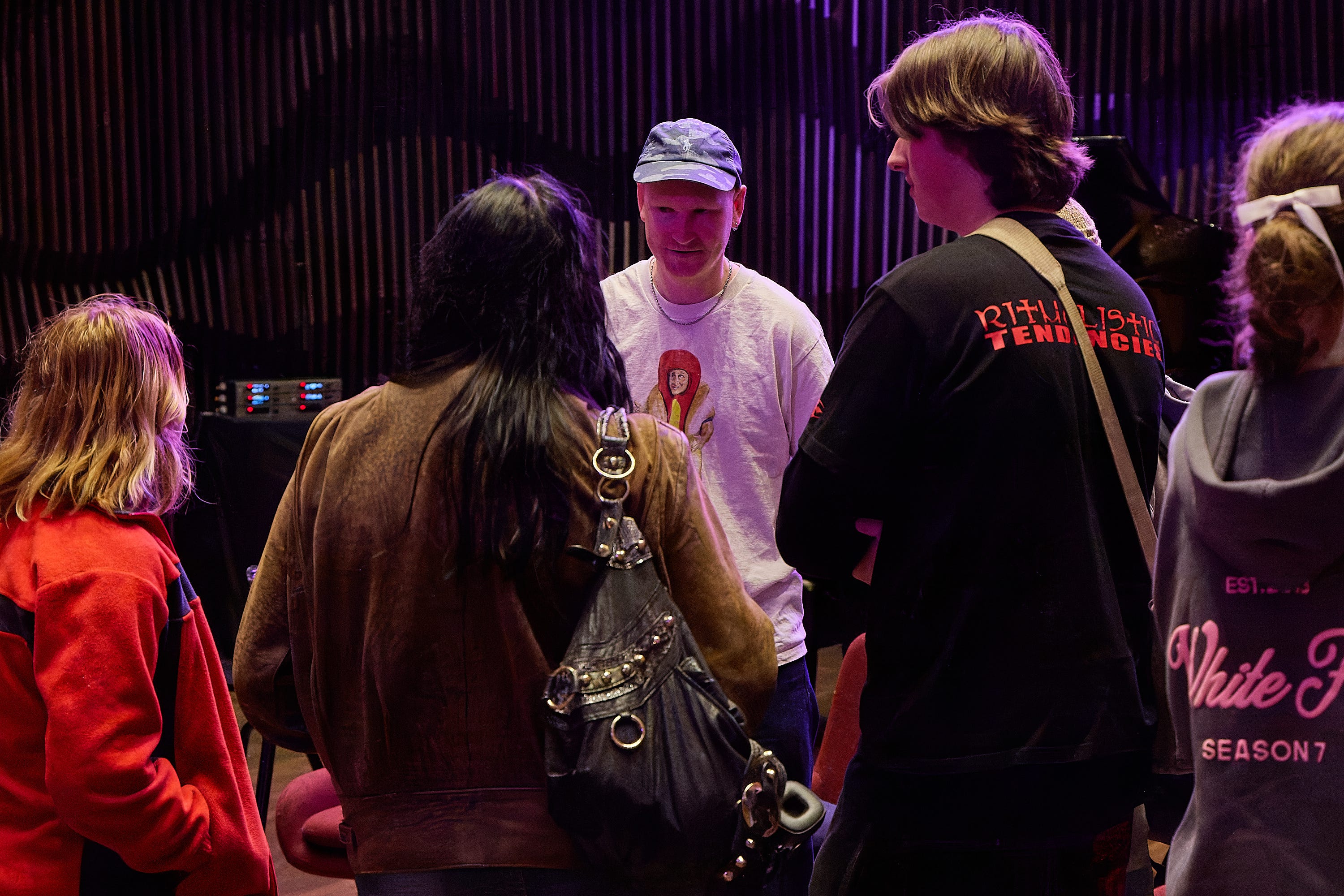
If you want to meet musicians, go to gigs. Go to as many as possible. Talk to people. Get to know everyone. Those relationships can eventually become the connections that shape your career. Gus also spent his lunch break talking to anyone who wanted to chat or take a photo, which felt like a fitting extension of his message about community.
People Behind the Artists
A question raised during Gus Romer’s session was about the people supporting artists behind the scenes, making the following panel a particularly natural continuation.
Andy Gumley of CornerShop works as a talent representative and booking agent. Andy supports artists in their relationships with PR companies, tour managers and the many other people involved in putting a career together.
Julia Wilson of Rice is Nice, meanwhile, works across record labels, music licensing and supervision, PR and representation, all while running her own label.
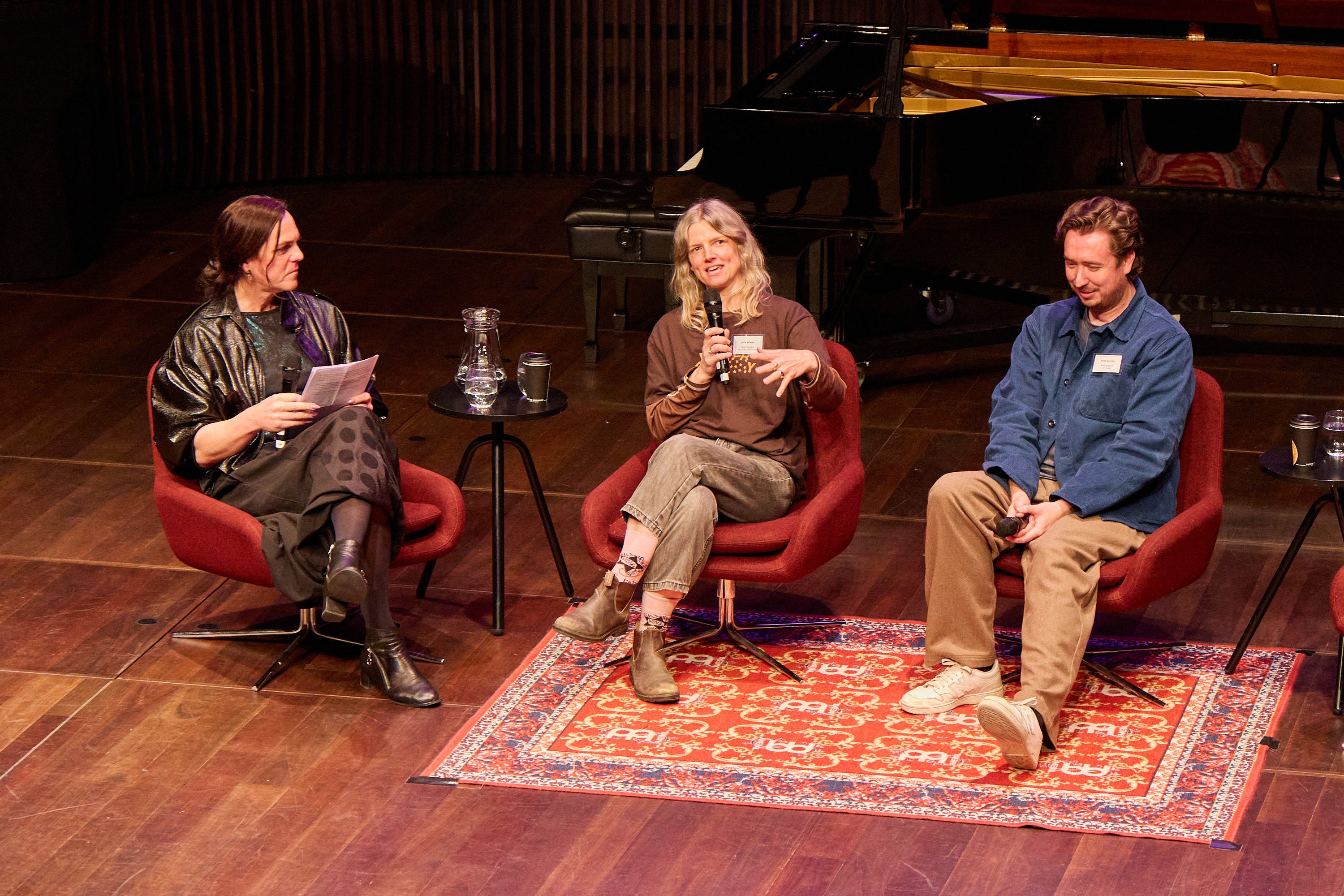
Both spoke about the less glamorous but essential side of the industry, including contracts, licensing and negotiations. What stood out was the strength of their ethics. Transparency is essential for building trust, and communication needs to remain open. Understanding the needs of the artist matters because ultimately, the people working behind the artist are there to support them. Their advice was also refreshingly blunt: doing work purely for money is the worst possible outcome. “If you don’t trust your client or your team - get out”,
For Andy and Julia, there is genuine joy in creating an income for everyone involved in a tour, from the artists and roadies to the people providing lunches. For those trying to break into the industry, their advice was practical. Send emails that make it easy for someone to say yes. Instead of asking for a major role, start small: “Can I work the merch desk?” Small opportunities create relationships and relationships can eventually lead to much bigger ones.
The Practical Infrastructure
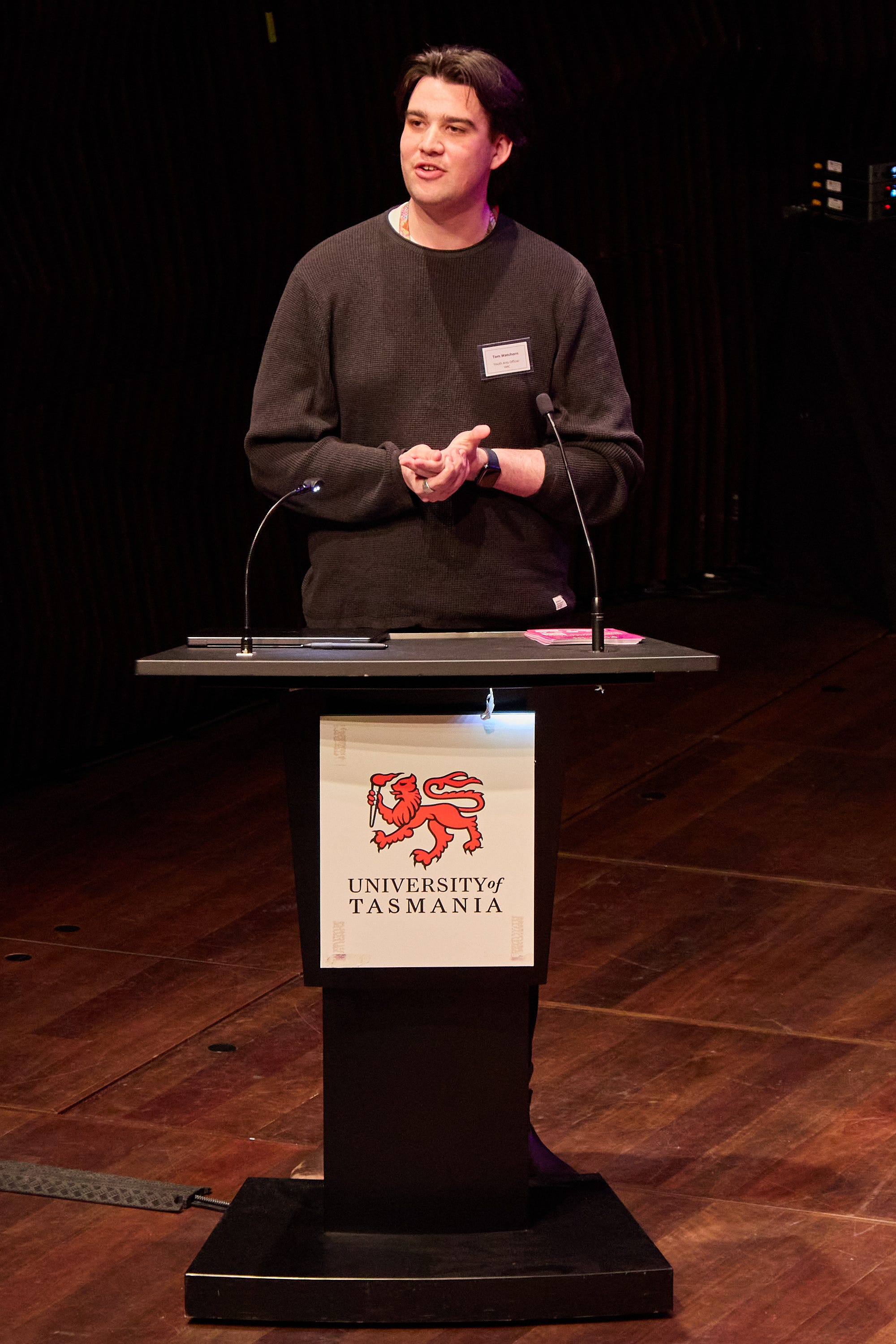
Tom Watchorn from YARC also addressed the young audience, speaking about YARC’s youth-focused work and YARC Live events. This was an important reminder that the music ecosystem isn’t only made up of artists and venues. Youth organisations, community spaces and event programs can provide the infrastructure that allows young people to begin participating in music before they have access to the traditional industry.
Day Two – All Ages
Day Two opened the conference to a broader, all-ages audience. The day expanded the conversation beyond individual career pathways into bigger questions about Tasmania’s cultural infrastructure, access to education, technology, local government and the underground music scene.
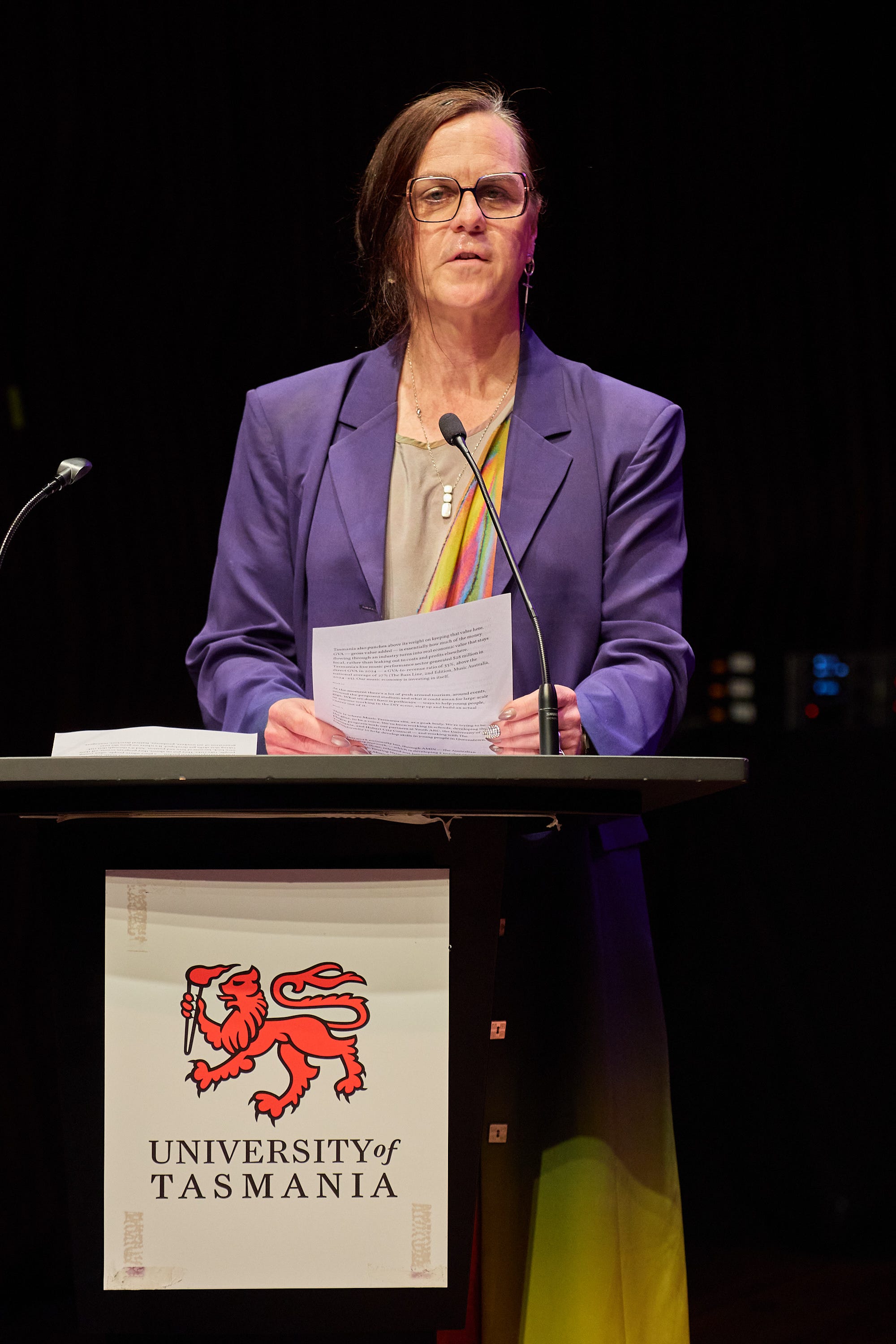
K Ella Verell delivered a wonderfully emotional address, setting the tone for a day focused not just on the mechanics of the industry, but on why music matters. One idea stood out: “Taking risks is the foundation of the entrepreneurship of art.”
The biggest takeaway was that contemporary live music is one of the largest contributors to Tasmania’s arts scene, and there was a strong sense throughout the day that Tasmania’s ability to keep things local is one of its greatest strengths. Tasmania punches above its weight because its artists, venues, promoters and audiences are connected.
As K put it: “Music is placemaking. It’s storytelling.”
That idea became something of a through-line for the second day.
Women in Tech
The first panel looked at women and gender diversity in music technology.
Bek Varcoe, a sound engineer and event producer, spoke about entering an industry that was vastly different from the one emerging today. recalled stories from her beginnings, when women in tech was unheard of. She was mentored by an engineer at The Espy in St Kilda at a time that was incredibly toxic: a plethora of drugs, alcoholism and bullying, “very much the Wild West.” As the only woman, she had to learn to be tough and scary just to hold her own. She described an environment where women in technical roles were unusual and where she had to become tough and intimidating simply to hold her ground. The change since then has been significant.
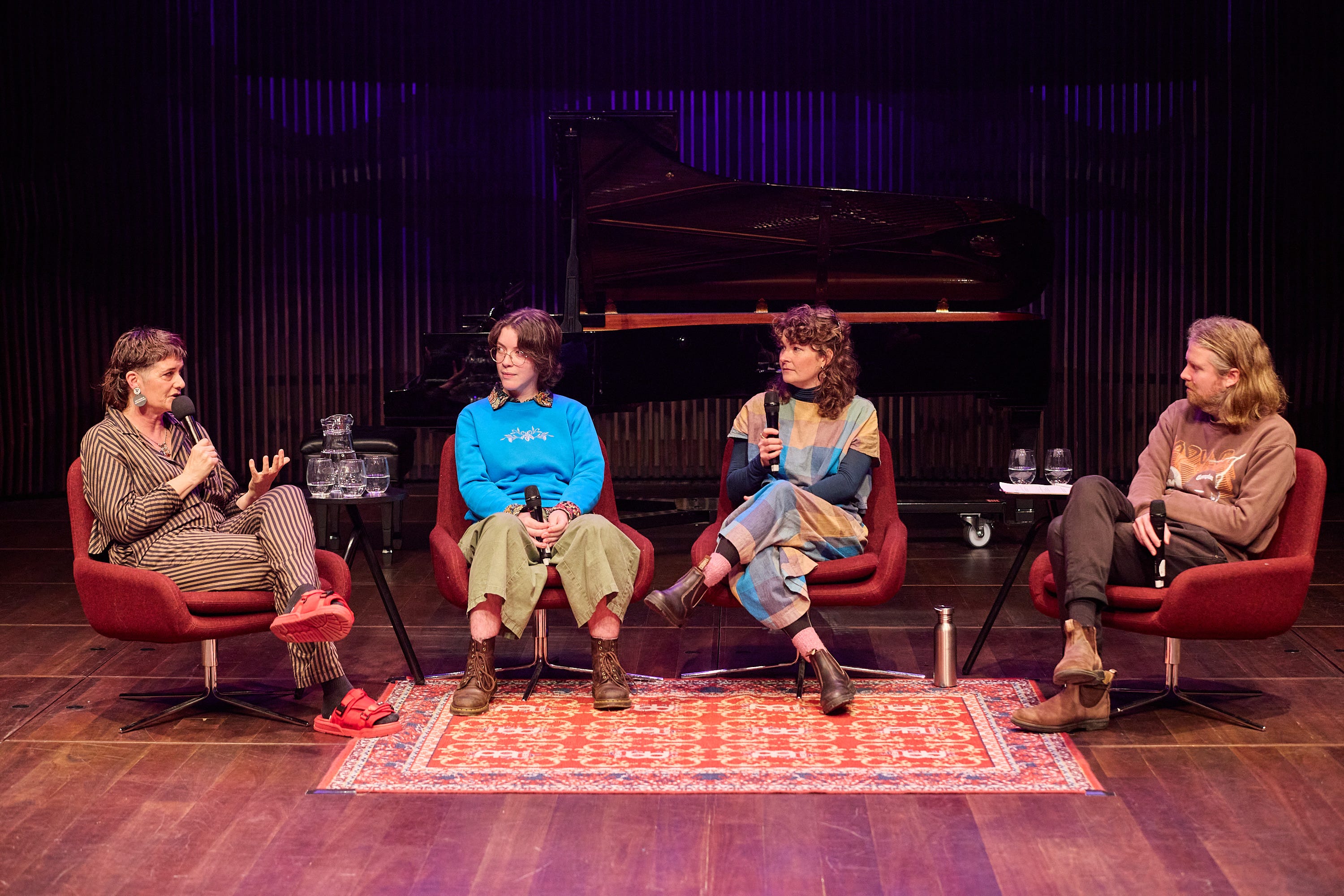
There are now fantastic role models for women entering technical careers, although barriers remain. The panel also discussed the impact of having children and stepping away from a career, another difficulty faced by people working in technical and production roles.
Tash Parker runs “Welcome Swallow”, an open jam in New Norfolk. It is a place of improvisation. Improvisation itself implies that no idea is stupid and by proxy becomes a safe space for women and gender diverse. Tash described the transition of the industry from masculine toxicity towards a more gender neutral space, although there is still a long way to go. Even as late as 2020, Tash described the first time she had seen all-female band Fflora, realising it was the first all-female band she had ever physically seen.
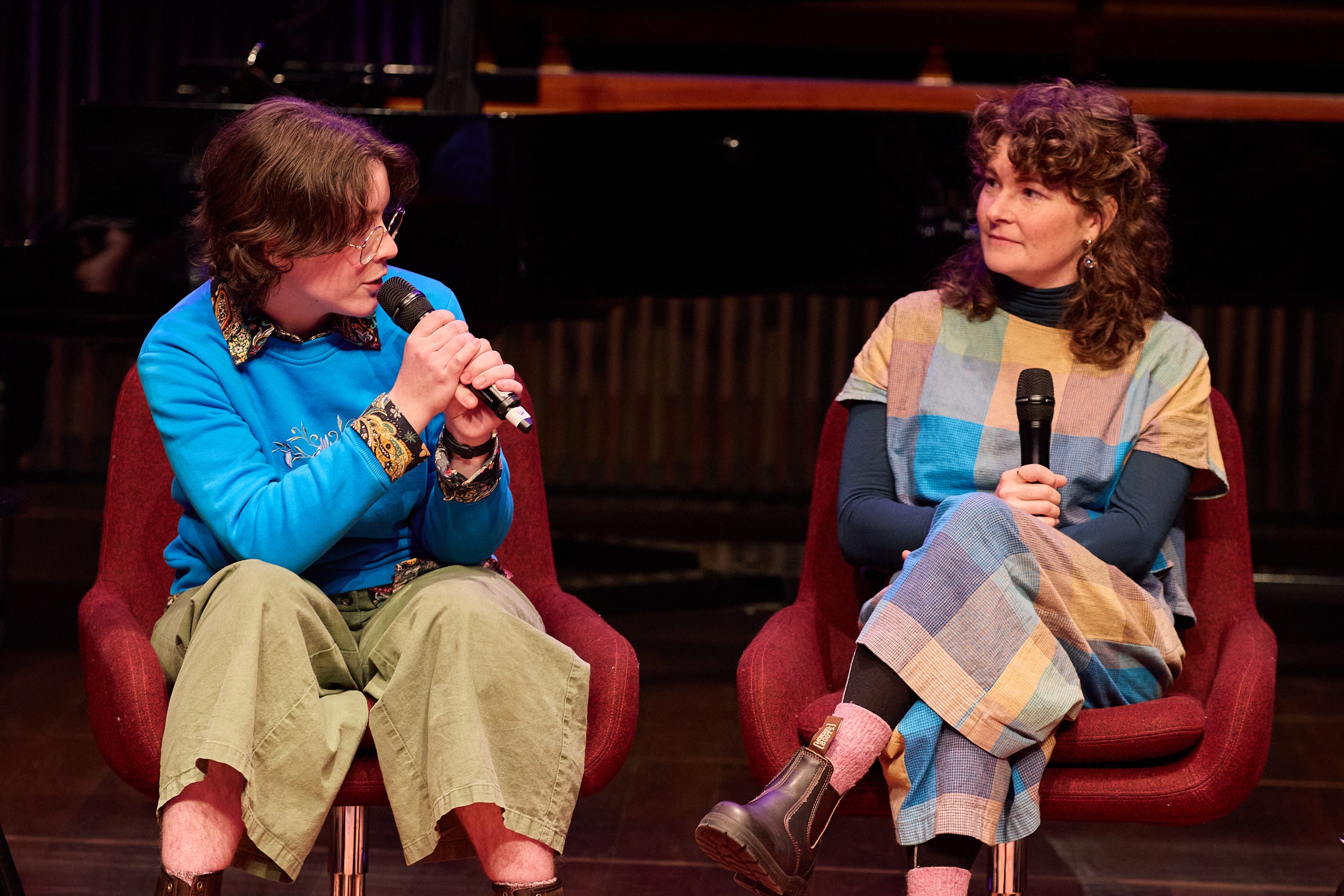
Sienna Stewart is a third year music tech and songwriting at Tas University, described how important her formal education has been as a woman, with true support from the staff.
Bek and Tash had reconnected after more than ten years, and the reunion came with an affectionate reminder of Bek’s legendary technical skills, including what Tash described as the most immaculate cable management she had ever seen.
Tash spoke honestly about how difficult it once felt to imagine herself becoming a sound engineer or producing her own record. Everyone around her was a man, and that environment made technical careers feel inaccessible.
The issue, as Sienna explained, isn’t necessarily that the skills are difficult: “It’s not difficult, it’s just inaccessible. And access to learning about it is inaccessible. It only takes a couple of people to fight through the learning stuff and bring other people into it.”
Access to equipment remains one of the biggest barriers. Bek pointed out that gear is expensive, while live music requires practical experience with exactly that equipment. There are also surprisingly few pathways into technical music careers. Short courses and workshops could provide an important entry point, particularly for people who want to learn hard technical skills but don’t want to commit to a Bachelor degree.
The panel also returned to Fflora, the improvisational all-female band, as an example of the changing culture around live music and the importance of creating spaces where people can experiment without feeling that every mistake is being judged. The message was clear: education needs to become more accessible, more practical and more connected to the environments in which people will actually work.
Hobart LIVE
Hobart City Council’s Kane Forbes presented an overview of the city’s developing live music strategy and night-time economy plans.
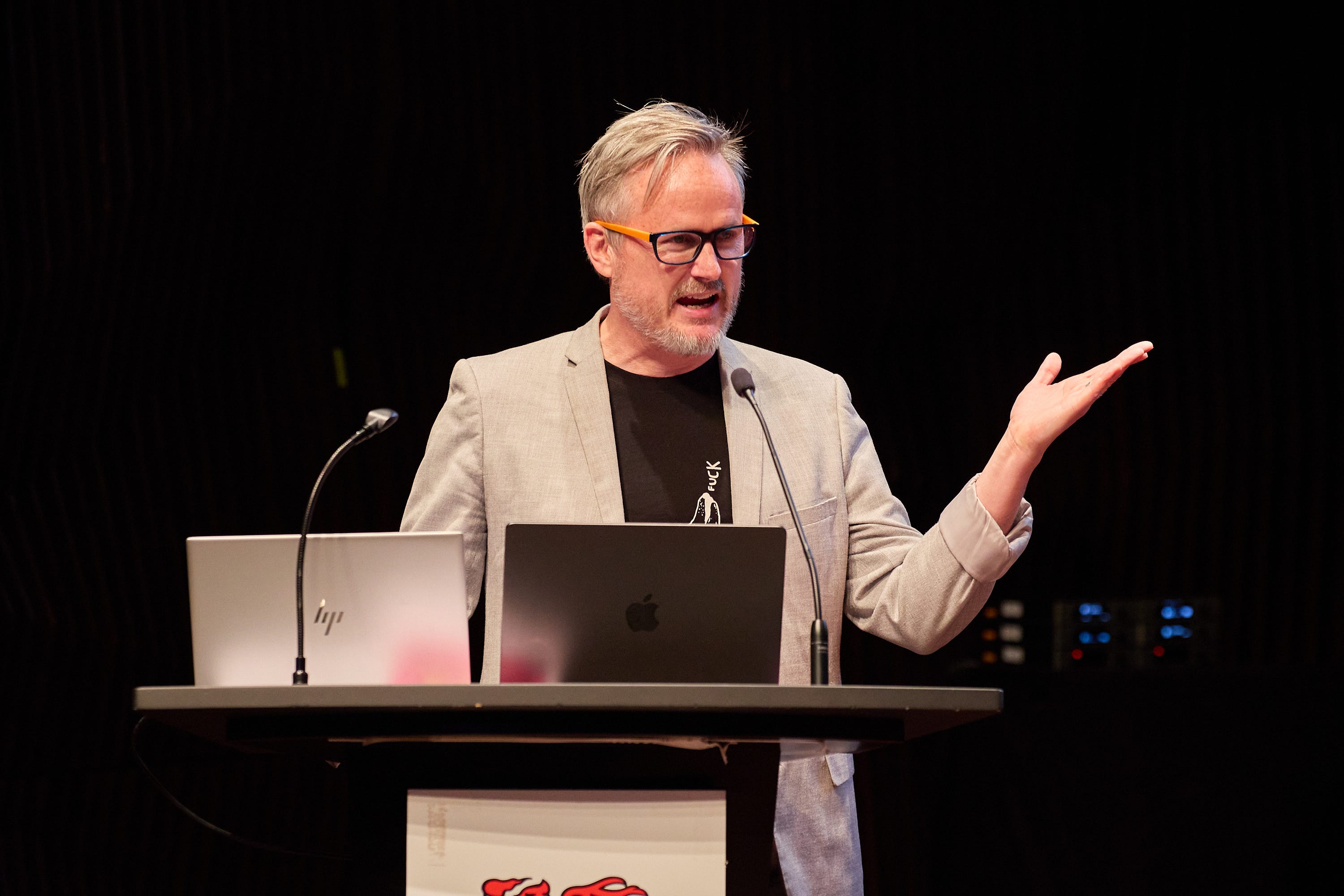
The council acknowledged that live music is a significant part of Hobart’s night-time economy and outlined a number of projects designed to strengthen the local ecosystem. Among them are: The Summer Program, continuing the council’s investment in outdoor and public programming. My Street Series, focused on local emerging artists alongside more experienced Tasmanian bands. The 7000, an ecosystem project connecting live music with music-adjacent businesses and encouraging people to move through the city.
The strategy includes venue-led projects, such as partnerships between local record labels and venues; artist-led projects featuring gigs in unexpected places; and outdoor stages curated by local leaders. There are plans for daytime programming aimed at young people and families, with expanded evening programming for broader audiences.
Other initiatives include an open day for record and music studios, expressions of interest for events, professional development opportunities for women and non-binary people and a Tasmania music showcase. The approach is collaborative rather than prescriptive, with the aim of building an ecosystem rather than simply adding more individual events.
This is an area Undercurrent will be watching closely.
Creativity and Education
The education panel explored the changing pathways into creative careers, and the growing need to make music education accessible beyond traditional institutions.
One of the concerns raised was the loss of school music programs and the broader problem of music becoming inaccessible to young people. There was also discussion around DIY culture and the importance of letting young people know that they don’t necessarily need permission to begin. You can start something yourself. You can create an event, form a band, make a publication, build a community.
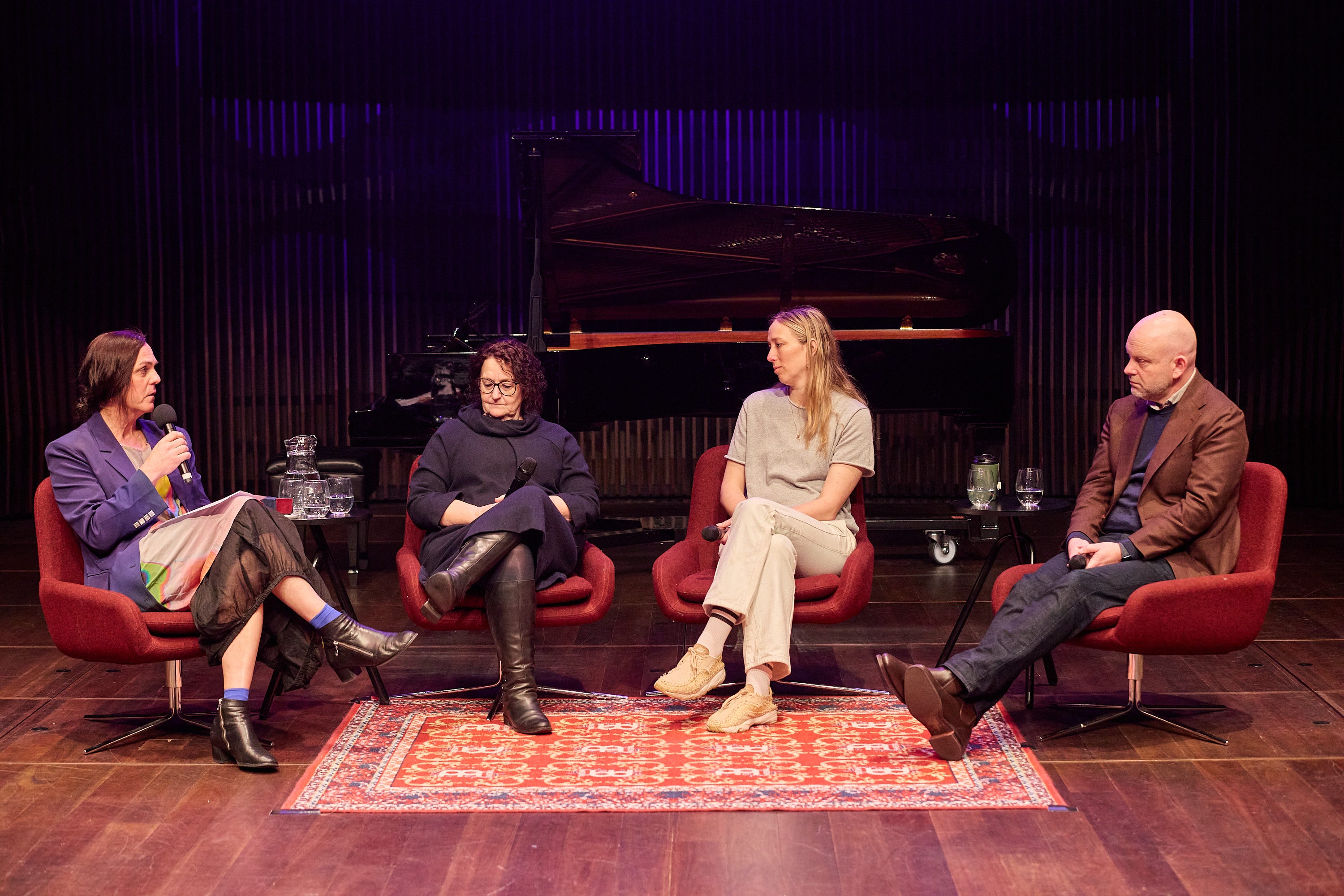
Music Tasmania has partnered with education and community initiatives to help strengthen these pathways. Tasmania has poor literacy and numeracy outcomes on a national level, making the question of education particularly urgent.
Professor Andrea Carr described improving literacy and numeracy as a multigenerational project requiring multigenerational commitment.
Doctor Jonathan Wallis focused on inclusion and opportunity. Education pathways don’t have to be a single straight line. The challenge is creating multiple forms of access so people can enter education in ways that are actually possible for them. Just as importantly, people need to believe that education is something they can access. The arts sector continues to operate under enormous strain, particularly when it comes to creating opportunities for young people.
Whilst Undercurrent likes to focus on the positive, we cannot ignore the massive reduction in funding, lack of enrolments and difficulties in skills-based learning. The paradox is that as there is a growing need for more sound technicians, the facilities are closing down driven by lack of enrolment. Johnathan Wallis is planning on changing that narrative by relaunching the Conservatorium of Music. The focus is not just on Bachelor degrees. There is a drive for students to enrol for micro-credentials to gain a diploma that offers the skills required for students to get up and running.
Loren Kronemyer Artistic Director/The Uncomformity spoke about the importance of solidarity and coalition-building. “Collaboration is not simply about putting people on a project together. Every person brought into a project requires care, support and consideration of the risks involved.” - she pointed out.
One example discussed was creating a role for a mature student, bringing them into an organisation and providing the support required for them to succeed. Arts organisations are already stretching to create these opportunities for people who genuinely want them. The broader message was that access isn’t just about opening a door. Sometimes you also need to help someone walk through it.
Gigs in Unknown Spaces
Perhaps the most contentious discussion of the entire conference centred on DIY shows and guerrilla-style gigs in non-traditional venues.
The panel represented a broad cross-section of Tasmania’s underground scene.
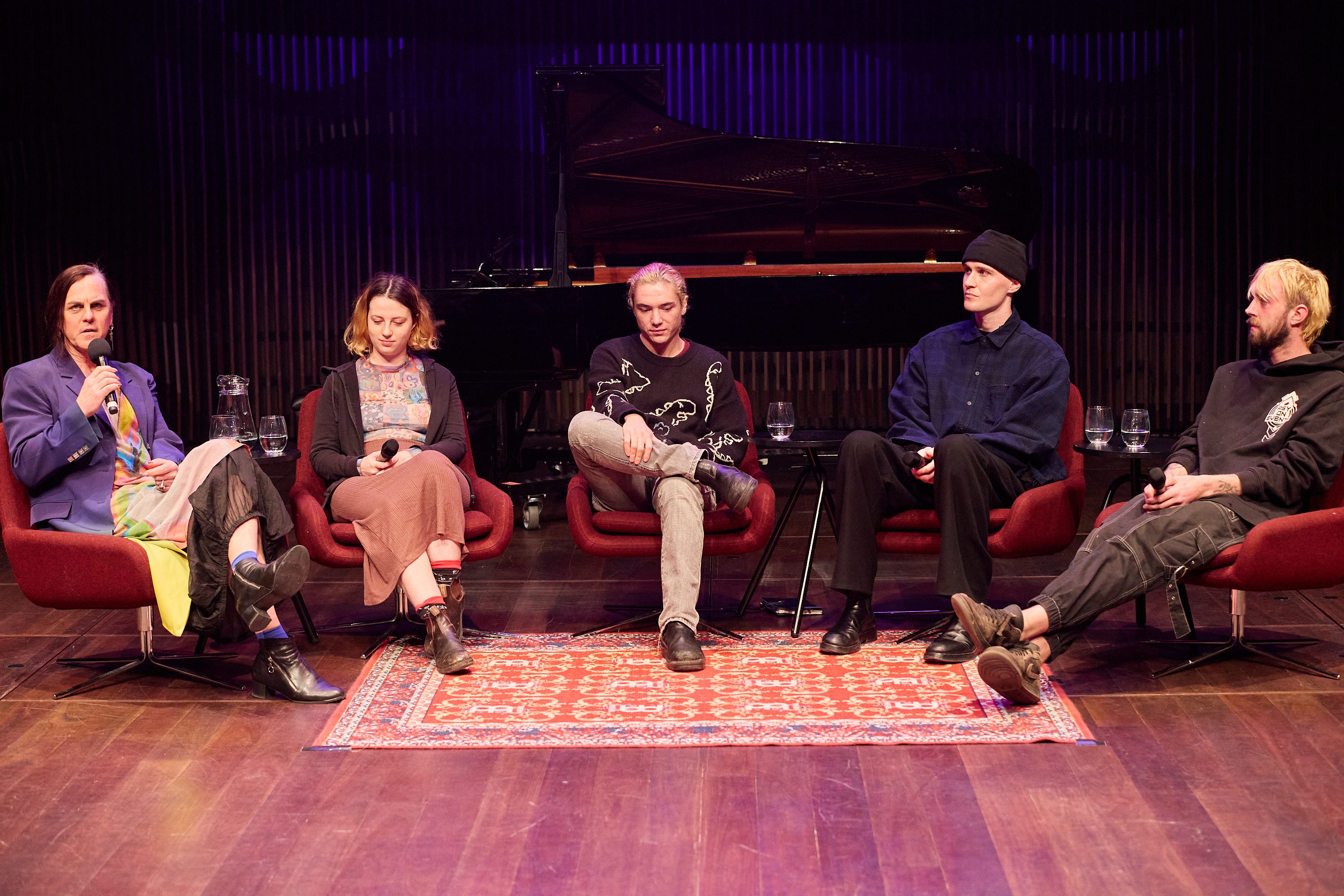
Alice Cameron runs house shows, taking up the baton from Skrillzone. Currently working as a sound engineer at Twisted Lime.
Tim Hadlow, a visual artist and a DJ with Huh!Pink, spoke about putting on gigs in unusual locations, including a day spa, as well as mentoring emerging DJs.
Oliver Pybus Giblett organises underground raves in unconventional spaces with his projects Psy-On and Tricksta.
Grace Lawrence, a.k.a. FemeZine, puts on shows featuring female artists, with the goal of creating an entirely female crew. She also produces the zine, FemeZine.
The discussion highlighted why underground spaces continue to exist: they fill a genuine need. Artists need somewhere to play, and Tasmania has only a limited number of formal venues. Audiences also need spaces, particularly young people who cannot access licensed venues. House gigs are not licensed venues, creating obvious challenges around safety, noise, alcohol, capacity and responsibility. There was also recognition that many young people simply want somewhere to go, socialise and experience live music.
Grace spoke about the institutional structures inherited from old-school rock’n’roll culture and the need to create opportunities in different kinds of spaces.
There is also a broader problem: the business side of music remains underdeveloped in Hobart and Tasmania. Many people are figuring out how to manage tours, events, promotion and artist development as they go. Sadly, in Tasmania there are no courses offered for those interested in the business side of a music career.
DIY culture has consequently become a form of practical education. The underground is not simply a place where people put on illegal or unconventional gigs. It is often where people learn how to run events, manage artists, promote shows, work sound, build audiences and create communities. The council’s relationship with this scene was also more supportive than might be assumed. Ollie spoke about receiving considerable support from the council, particularly around navigating the practical challenges of unconventional events.
Safety remains one of the biggest challenges. Because DIY events often rely heavily on audiences to self-regulate, establishing expectations from the beginning is crucial. When people understand the rules and culture of an event before it begins, the audience becomes part of the risk-management process.
There was also discussion about anxiety around attending gigs. For some young people, simply walking into an unfamiliar venue or event can be intimidating. This is where community becomes important again. If you know someone there, the experience changes. And if you’re wondering where these events happen, the answer isn’t necessarily Instagram.
Word of mouth remains one of the most important mechanisms within underground music communities. Find people who share your interests. Go to gigs. Talk to people. Build relationships. It is increasingly important for young people to get out and speak to other people rather than existing entirely through the internet. Eventually, the door opens.
The Bigger Picture
Across two days of Plug In, the same message appeared again and again in different forms.
There is no single way into the music industry. You can study. You can volunteer. You can start a band. You can work in an office. You can run a house show, make a zine, learn sound engineering, book a venue, teach young people, work a merch desk or simply go to every gig you possibly can. You can take a detour. You can stop making art for a while and still be an artist.
You can build a career without following a traditional career path. And you can create opportunities for other people while building your own. The pathways are messy because people are messy. Careers loop, stall, restart and occasionally take completely unexpected turns. But underneath all of those different routes is community.
The people who build Tasmania’s music industry are not operating in isolation. Artists need venues. Venues need audiences. Artists need managers, agents, publicists, engineers and roadies. Young musicians need somewhere to learn. Emerging scenes need people willing to create spaces for them. And those spaces become stronger when people make room for each other.
Perhaps the most important lesson from Plug In is that the future of Tasmanian music isn’t something that happens to us.
It is something we can build together.

You made it to the end! Thank you, that means we are creating content that is valuable to you. Please take a moment to share our publication with others.
This article was co-written By Annette Geneva & Pete Mellows, Editors in Chief of Undercurrent. All photography by Pete Mellows. Please consider the work that went into creating this article - sharing is caring, with proper attribution.