
We are the undercurrent
Music is in our blood, our DNA. It’s in yours too, or you wouldn’t be here.

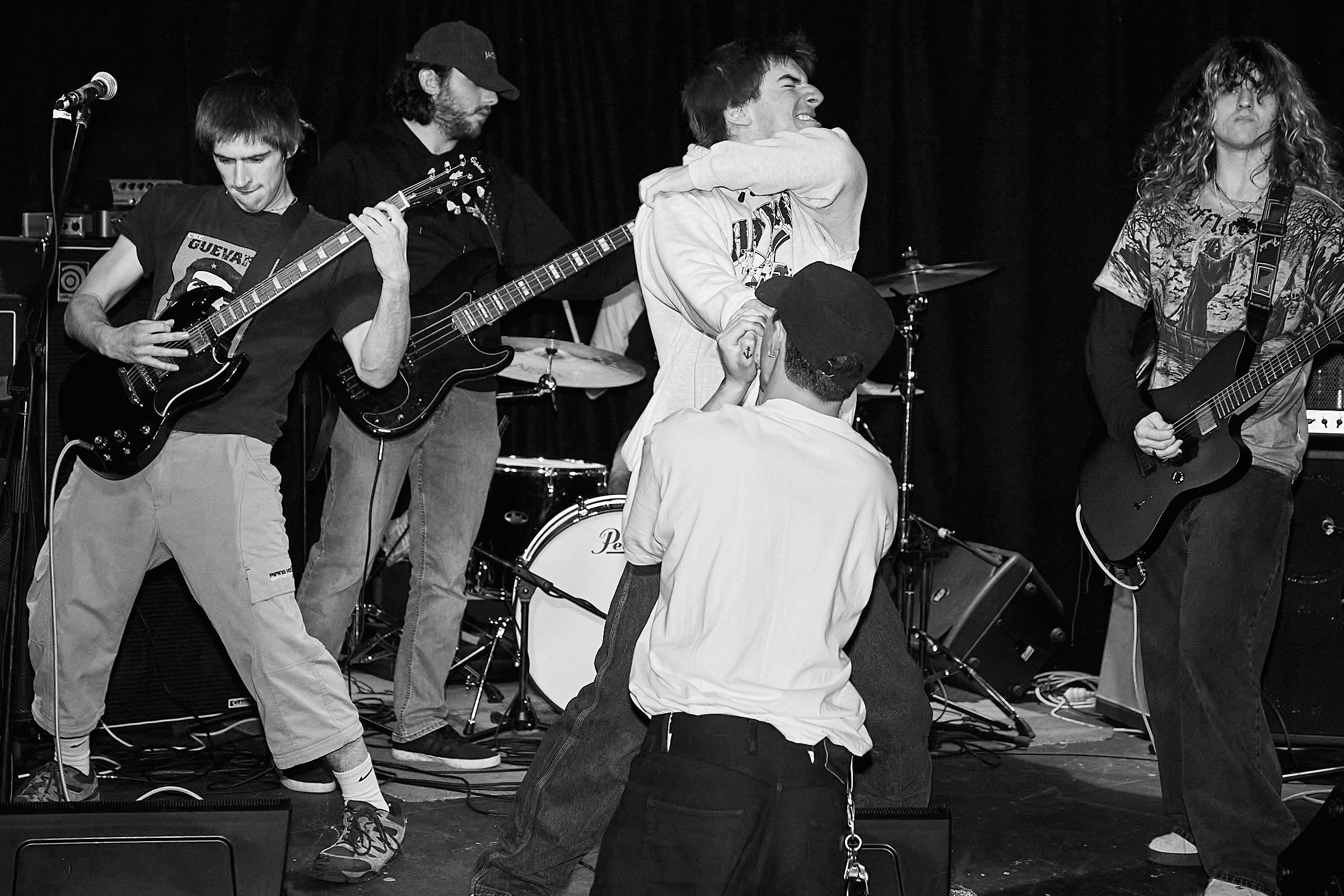
If you’ve been around long enough, you would have noticed that the music industry isn’t what it once was. In many ways, this is a good thing. The industry took advantage of young artists’ naivety, often leaving them bereft of a liveable income, controlling their lives, turning them into puppets to dance to someone else’s tune.
Even then, there was a freedom to creation. Execs could be influenced by trends, or even held to ransom. I recall talking to Chuck D (Public Enemy) in 1998, who told me they would never release another album through Def Jam Records, to which they upheld. Their last single was “He Got Game”, which was about basketball for the movie, but we all knew it was about the music industry as a whole.
It might feel good
It might sound a lil' somethin'
But damn the game
If it don't mean nuttin'
What is game who got game
Where's the game
In life
Behind the game
Behind the game
I got game
She got game
We got game
They got game
He got game
It might feel good
It might sound a lil' somethin
But the fuck the game if it ain't saying nothin'
The rise of the mega/meta-corp has seen record companies dance to the tunes of social media. They are little more than a middle man, telling artists to do the record execs’ jobs of promotion, media liaison and merchandising. Which leaves just booking studios and, sometimes, tours to the once all-powerful record companies.
In 2026, if you are not proficient in all aspects of the industry, if you are an artist, there is a real, and highly likely, risk of losing faith in yourself. There is no support structure within the music industry, aside from boosting egos with gifts and grifting. There is no help outside of those helping themselves.
In short, in today’s world you need to be strong, self-reliant and resilient.
People with those qualities are extremely rare. They always have been. When a person has power, they have sycophants to boost their ego. When all you have is a guitar, a small amp, one guitar pedal and a whole lot of anxiety, even getting a single gig is a monumental climb.
I recall, growing up in a distant past that is now known for odd fashion and kooky songs, we had a plethora of magazines dedicated to single subjects. Yes, there were pop magazines to keep tabs on your favourite Top 50 artists, but there were magazines all about drums or guitar or keyboards. I don’t remember any about singing though. I guess even then, there were only so many microphones to buy.
And, as you know, there are thousands, tens of thousands, of channels on social media about just those subjects. I strongly encourage anyone to seek out the likes of Mary Spender or Rick Beato, or even Danny Sapko.
BUT, the thing about a magazine, and this is vitally important, is that as you flip through the pages (or scroll this Substack website), there is only the subject you are interested in. Wherever you looked in a guitar magazine, all you saw was guitar and related accessories: picks, amps, strings, hairdos. Even the advertisements were about guitars, and those were intensely interesting to me as a budding musician.
So, where am I going with all this?
We at Undercurrent Magazine love music. We know where the music comes from. We go to small gigs (and the big ones of course!).
We see the artists and hear the music that moves the local music community.
We hear the experimental stuff that other artists pick up on. Turning that oddity into the mainstream.
And we will tell the world.
This is what Undercurrent is.
This is why Undercurrent is.
— Pete Mellows